Workplace Fairness in Singapore: What Inclusive Hiring Looks Like in 2026

This article is written in English for readers in Singapore. Chinese and Japanese translations are available on our website.
As Singapore enters 2026, workplace fairness is no longer just a compliance issue. It has become a defining factor in how companies attract talent, build trust, and retain employees in an increasingly diverse and multi-generational workforce.
With new legislation, evolving hiring norms, and greater public awareness around discrimination and bias, employers are expected to move beyond intent and demonstrate fairness through consistent, documented practices. Inclusive hiring today is about systems, accountability, and outcomes.
This article explains what workplace fairness really looks like in Singapore in 2026, what employers need to prepare for, and how inclusive hiring practices directly affect business performance and employer brand credibility.
Why Workplace Fairness Matters More Than Ever in 2026
Singapore’s labour market remains tight, competitive, and globally connected. Companies are hiring across age groups, nationalities, and career stages, including locals, permanent residents, and foreign professionals on Employment Passes.
According to Ministry of Manpower data, Singapore’s workforce is becoming more diverse across age, nationality, and employment arrangements, including contract, project-based, and flexible work models. At the same time, public expectations around transparency and fairness have risen sharply.
Recent surveys and policy discussions show that jobseekers today care about more than salary. They are paying attention to:
- How job ads are written
- Whether interview processes feel objective
- How performance is evaluated
- Whether promotions and pay decisions are transparent
- How grievances are handled
Workplace fairness is no longer an internal HR matter. It directly shapes employer reputation in a market where employer reviews, social media, and word-of-mouth influence hiring outcomes.
From Guidelines to Accountability: The Shift in Singapore
For many years, Singapore relied on guidelines and advisory frameworks to encourage fair employment practices. That has changed.
In recent years, the government has taken steps to strengthen protections against workplace discrimination, clarify employer responsibilities, and improve dispute resolution processes. Employers are now expected to show evidence of fair practices, not just claim adherence.
This means companies must be able to demonstrate that decisions around hiring, appraisal, promotion, and termination are:
- Job-related
- Consistently applied
- Properly documented
- Free from discriminatory criteria
In 2026, inclusive hiring is as much about process discipline as it is about values.
What Inclusive Hiring Looks Like in Practice
Inclusive hiring does not mean lowering standards or prioritising diversity over capability. It means ensuring that every candidate is assessed fairly against job-relevant criteria.
1. Fair and Neutral Job Advertising
Inclusive hiring starts with job descriptions.
Employers should review job ads to ensure they:
- Focus on skills and responsibilities, not personal attributes
- Avoid unnecessary age, gender, or nationality indicators
- Clearly distinguish between “essential” and “nice-to-have” requirements
Research shows that overly restrictive job criteria can unintentionally exclude capable candidates, particularly mid-career professionals and returnees.
2. Structured and Objective Interview Processes
Unstructured interviews increase the risk of unconscious bias.
Best-practice employers in Singapore are moving towards:
- Structured interview questions aligned to job competencies
- Scoring frameworks to compare candidates objectively
- Multiple interviewers to balance perspectives
This not only improves fairness, but also leads to better hiring decisions and stronger performance outcomes.
3. Transparent Salary and Promotion Frameworks
Pay and progression are areas where perceptions of unfairness arise quickly.
According to regional workforce studies, lack of transparency around salary increases and promotions is one of the top reasons employees disengage or leave.
Inclusive employers are addressing this by:
- Defining salary bands and promotion criteria
- Communicating performance expectations clearly
- Training managers to give consistent, evidence-based feedback
Transparency reduces misunderstandings and strengthens trust.
4. Fair Treatment of Local and Foreign Talent
Singapore companies often employ a mix of local and foreign professionals. Fairness in this context means:
- Ensuring roles are genuinely matched to skill needs
- Applying consistent performance standards
- Avoiding preferential or exclusionary practices
With frameworks such as COMPASS influencing Employment Pass eligibility, employers must align hiring decisions with skills, business needs, and workforce planning, not assumptions.
5. Clear Grievance Handling and Psychological Safety
A fair workplace is one where employees feel safe raising concerns.
In 2026, inclusive companies are expected to have:
- Clear grievance handling processes
- Neutral investigation mechanisms
- Protection against retaliation
Workplace fairness is not only about avoiding disputes. It is about creating an environment where employees feel respected, heard, and supported.
The Business Impact of Fair and Inclusive Hiring
Workplace fairness is often discussed as a moral or legal issue. It is also a commercial one.
Studies consistently show that fair and inclusive workplaces experience:
- Lower employee turnover
- Higher engagement and productivity
- Stronger employer branding
- Better hiring outcomes
In Singapore’s competitive labour market, companies that fail to demonstrate fairness risk losing talent to employers that do.
What Employers Should Review in Early 2026
As part of start-of-year planning, companies should reassess:
- Job advertisement templates
- Interview and evaluation frameworks
- Performance appraisal processes
- Salary review and promotion criteria
- Grievance handling procedures
Small adjustments made early can prevent larger issues later in the year.
Frequently Asked Questions (FAQ)
1. Is workplace fairness only relevant to large companies?
No. Small and medium-sized enterprises are equally expected to apply fair employment practices. Clear processes actually benefit smaller teams by reducing disputes and misunderstandings.
2. Does inclusive hiring mean hiring quotas?
No. Inclusive hiring focuses on fair assessment and equal opportunity, not quotas. Hiring decisions should always be based on job-related criteria.
3. How can companies reduce unconscious bias?
Structured interviews, clear evaluation criteria, and interviewer training are effective ways to reduce bias.
4. Are employers required to document hiring decisions?
While not all decisions require extensive documentation, employers should be able to explain and justify hiring and employment decisions if questioned.
5. How does workplace fairness affect employer branding?
Candidates increasingly assess employers based on perceived fairness. Transparent and respectful processes strengthen trust and reputation.
Looking to build a fair and future-ready workforce in Singapore?
Reeracoen supports companies with inclusive hiring strategies, compliance-aligned recruitment processes, and access to diverse, high-quality talent.
👉 Speak with a consultant to review your hiring practices
Hiring or expanding your team in 2026?
Our recruitment specialists help employers hire responsibly while meeting business goals and regulatory expectations.
👉 Submit a hiring request
✅ Final Author Credit
By Valerie Ong (Regional Marketing Manager)
Published by Reeracoen Singapore — a leading recruitment agency in APAC.
🔗 Related Articles
- Guidelines for Fair Employment Practices Will Become Law in Singapore
- Taking a Closer Look at the COMPASS Framework
- 4 Strategies to Promote Diversity and Inclusion in the Workplace
📚 References
- Ministry of Manpower (MOM), Singapore
- Tripartite Alliance for Fair and Progressive Employment Practices (TAFEP)
- Singapore Labour Market Reports
- OECD Employment Outlook
- World Economic Forum – Future of Jobs

Disclaimer:
The information provided in our blog articles is intended for general informational purposes only. It is not a substitute for professional advice and should not be relied upon as such.
While we strive to provide accurate and up-to-date information, the ever-evolving nature of certain topics may result in content becoming outdated or inaccurate over time. Therefore, we recommend consulting with qualified professionals or experts in the respective fields for specific advice or guidance. Any actions taken based on the information contained in our blog articles are solely at the reader's discretion and risk. We do not assume any responsibility or liability for any loss, damage, or adverse consequences incurred as a result of such actions.
We may occasionally provide links to external websites or resources for further information or reference. These links are provided for convenience and do not imply endorsement or responsibility for the content or accuracy of these external sources. Our blog articles may also include personal opinions, views, or interpretations of the authors, which do not necessarily reflect the views of our organisation as a whole. We encourage readers to verify the accuracy and relevance of information presented in our blog articles and to seek professional advice when needed. Your use of this website and its content constitutes acceptance of this disclaimer.
Related Post
 The Fed Raised Rates: What Singapore Employers Should Watch in Hiring and Workforce CostsManagement
The US Federal Reserve's decision to raise interest rates by 25 basis points on 16 September 2026, its first hike since 2023, has prompted plenty...
 AI Is Changing How Work Gets Done: How Singapore Employers Should Plan Their WorkforceManagement
AI is changing how work gets done across Singapore businesses. Regional research from Reeracoen and Rakuten Insight finds Singapore businesses...
 Employers Say They Can't Find the Right Talent. Are They Screening Out Good Candidates Too Early?Management
Most Singapore employers will tell you they're struggling to find the right talent. But the same research raises another question: could some...
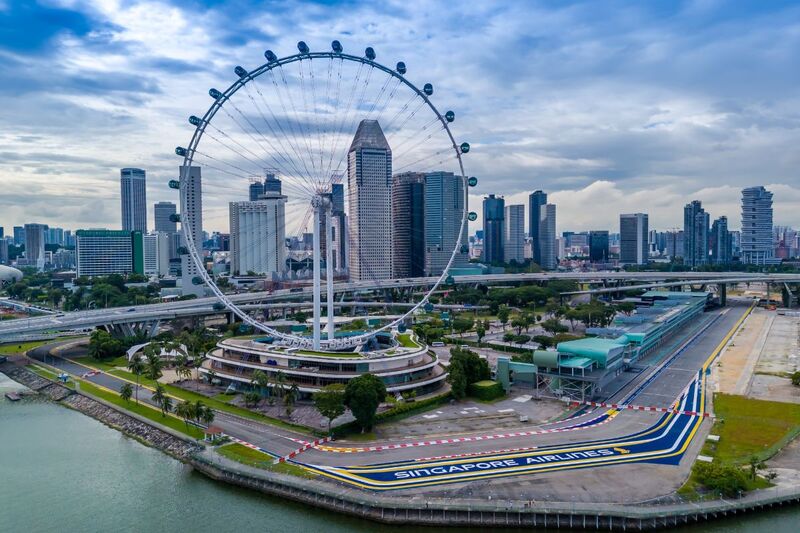 Singapore Grand Prix 2026: Which Industries and Jobs Benefit When F1 Comes to Town?Management
Formula 1 returns to Marina Bay Street Circuit for the 2026 Singapore Grand Prix from 9 to 11 October, with the wider Grand Prix Season Singapore...