10 Habits Driving Generational Friction (And How to Fix Them)

This article is written in English for readers in Singapore. Chinese and Japanese translations are available on our website.
Why Workplace Harmony Still Matters in 2026
With five generations now sharing Singapore’s workplaces — from Traditionalists to Gen Z — minor habits can easily snowball into tension.
Reeracoen’s 2025 survey across Asia-Pacific found that 73% of professionals have witnessed misunderstandings caused by generational differences, often over communication style, flexibility, or career expectations.
Yet, when managed well, mixed-age teams outperform single-generation teams by up to 25% in innovation and retention (Deloitte, 2025).
Harmony isn’t automatic — it’s a skill leaders and colleagues must consciously build.
10 Everyday Habits That Cause Friction — and How to Fix Them
1. Overusing Chat Instead of Talking
- The problem: Younger staff rely heavily on messaging apps, while senior colleagues prefer calls or face-to-face discussions.
- The fix: Match your channel to the message. Use chat for quick updates but pick up the phone for anything that involves emotion, nuance, or hierarchy.
2. “Ghosting” Colleagues After Hours
- The problem: Gen Z and younger Millennials value personal time, but older managers may see silence as avoidance.
- The fix: Set communication norms. A simple “Will reply tomorrow morning!” can prevent friction and model healthy boundaries.
3. Different Attitudes Toward Hierarchy
- The problem: Senior workers expect deference; younger ones prefer flat structures.
- The fix: Use respectful yet direct language — “I agree, and perhaps we can also consider…” keeps tone collaborative without sounding dismissive.
4. Conflicting Feedback Styles
- The problem: Boomers and Gen X often give direct critiques; Gen Z prefers supportive, coaching-style feedback.
- The fix: Leaders should frame feedback around shared goals (“Here’s how we can improve this together”) instead of personal flaws.
5. Email Etiquette Gaps
- The problem: Some find long emails old-fashioned, others see short replies as rude.
- The fix: Use concise paragraphs and polite greetings. “Thanks, noted!” is fine — but add warmth when hierarchy is involved (“Appreciate your time reviewing this.”).
6. Visibility vs. Flexibility
- The problem: Older managers equate presence with productivity; younger staff emphasise outcomes.
- The fix: Adopt hybrid trust. Use results dashboards or weekly recaps to assure accountability without micromanagement.
7. Different Tech Comfort Levels
- The problem: Digital natives adopt new tools fast; older staff may struggle silently.
- The fix: Create “reverse mentoring” pairs — younger employees teach tech shortcuts, while seniors share strategic context.
8. Misaligned Work Rhythms
- The problem: Some like early starts; others hit peak creativity late at night.
- The fix: Agree on collaboration “core hours.” Singapore firms like DBS and Grab now use 10 am–4 pm as overlap windows for meetings.
9. Career Progress Pace
- The problem: Gen Z expects faster promotions; Gen X sees tenure as proof of loyalty.
- The fix: Be transparent about criteria. Provide micro-promotions or skill certifications to show progress between major title changes.
10. Different Views on Work Meaning
- The problem: Younger employees seek purpose; older ones prioritise stability.
- The fix: Managers should connect daily tasks to impact. Recognising small wins can bridge values without forcing culture shifts.
Singapore’s Generational Mix in 2026
- Gen Z (born 1997–2012): 27% of Singapore’s workforce; value flexibility and feedback.
- Millennials (1981–1996): 43%; value growth and hybrid balance.
- Gen X (1965–1980): 22%; bridge generations and hold senior management roles.
- Boomers & Traditionalists: 8%; valued for institutional knowledge and mentoring.
(Source: Reeracoen Workforce Whitepaper 2025; MOM Labour Market Report Q3 2025)
How Leaders Can Prevent Friction
✅ Encourage intergenerational mentorship instead of same-age pairings.
✅ Host “career story” sessions — let employees share their journeys to build empathy.
✅ Use neutral ground: team lunches, volunteering, or hackathons that mix age groups.
✅ Reward collaboration, not just output. Include peer-recognition metrics in appraisals.
Why It Matters for 2026
Singapore’s workforce is ageing, but also diversifying.
Organisations that blend generational strengths — experience, curiosity, and digital fluency — will outperform those stuck in culture wars.
Harmony starts with humility: listen before labelling, and you’ll discover shared purpose beneath surface differences.
Looking for inclusive workplaces that value all generations?
👉 Explore open roles with Reeracoen Singapore.
Want to build multi-generational harmony and retention in 2026?
👉 Contact Reeracoen Singapore to develop inclusive leadership and engagement strategies.
✅ Final Author Credit
By Valerie Ong (Regional Marketing Manager)
Published by Reeracoen Singapore — a leading recruitment agency in APAC.
Related Article
References
- Reeracoen APAC Workforce Whitepaper 2025
- Deloitte Human Capital Trends 2025
- Ministry of Manpower (Singapore) Labour Market Report Q3 2025

Disclaimer:
The information provided in our blog articles is intended for general informational purposes only. It is not a substitute for professional advice and should not be relied upon as such.
While we strive to provide accurate and up-to-date information, the ever-evolving nature of certain topics may result in content becoming outdated or inaccurate over time. Therefore, we recommend consulting with qualified professionals or experts in the respective fields for specific advice or guidance. Any actions taken based on the information contained in our blog articles are solely at the reader's discretion and risk. We do not assume any responsibility or liability for any loss, damage, or adverse consequences incurred as a result of such actions.
We may occasionally provide links to external websites or resources for further information or reference. These links are provided for convenience and do not imply endorsement or responsibility for the content or accuracy of these external sources. Our blog articles may also include personal opinions, views, or interpretations of the authors, which do not necessarily reflect the views of our organisation as a whole. We encourage readers to verify the accuracy and relevance of information presented in our blog articles and to seek professional advice when needed. Your use of this website and its content constitutes acceptance of this disclaimer.
Related Post
 The Fed Raised Rates: What Singapore Employers Should Watch in Hiring and Workforce CostsManagement
The US Federal Reserve's decision to raise interest rates by 25 basis points on 16 September 2026, its first hike since 2023, has prompted plenty...
 AI Is Changing How Work Gets Done: How Singapore Employers Should Plan Their WorkforceManagement
AI is changing how work gets done across Singapore businesses. Regional research from Reeracoen and Rakuten Insight finds Singapore businesses...
 Employers Say They Can't Find the Right Talent. Are They Screening Out Good Candidates Too Early?Management
Most Singapore employers will tell you they're struggling to find the right talent. But the same research raises another question: could some...
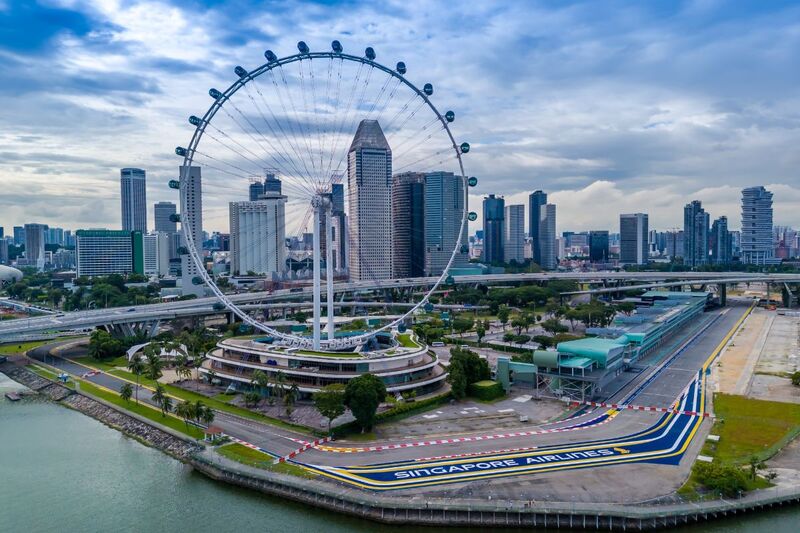 Singapore Grand Prix 2026: Which Industries and Jobs Benefit When F1 Comes to Town?Management
Formula 1 returns to Marina Bay Street Circuit for the 2026 Singapore Grand Prix from 9 to 11 October, with the wider Grand Prix Season Singapore...